TRON price [Dec 17, 2023]
leos11


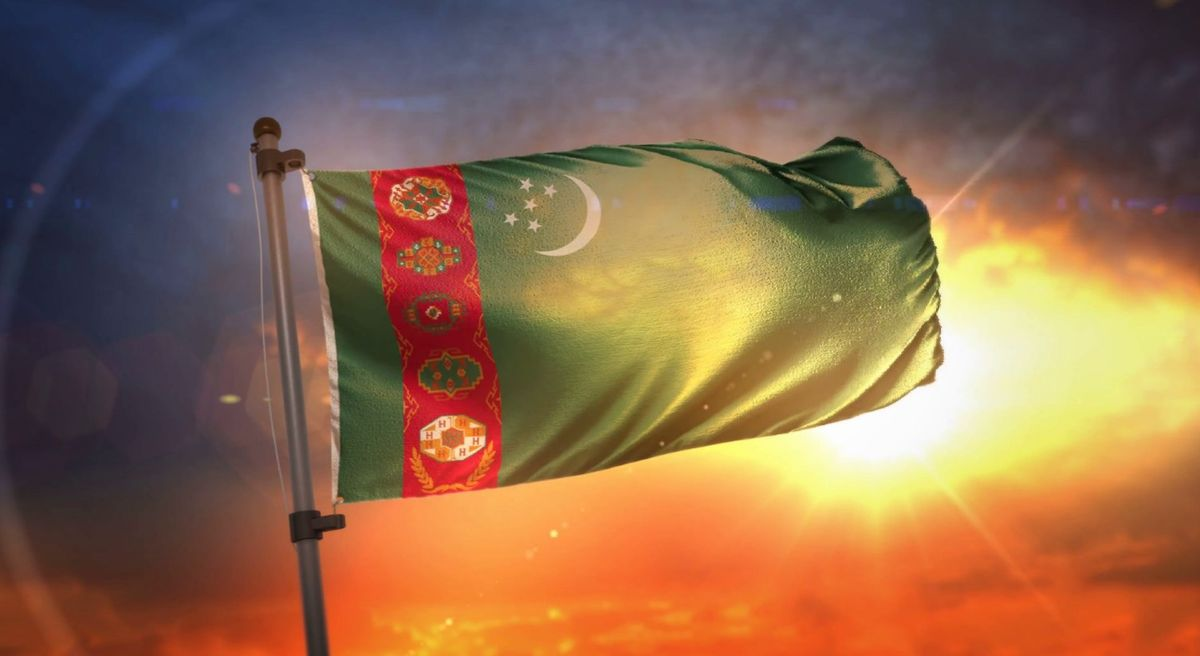
Turkmenistan has quietly taken a big step toward bringing crypto into its financial system. The government has approved a new crypto law that basically legalizes the industry, but with strict rules that keep everything under state oversight. The law will kick in from 2026, so the country is giving itself time to build the system.
One interesting thing is how tightly they want to run this. Exchanges and custodial services will need special licenses, proper KYC and AML procedures, and they’ll even have to store assets in cold wallets. Credit institutions won’t be allowed to offer crypto services at all. On top of that, the state will have full authority to halt or cancel token issuances and force refunds if needed.
Mining isn’t free-for-all either. Anyone mining or running a mining pool has to register and can’t operate secretly. The central bank has also been given the power to approve distributed ledgers or run its own. If that happens, people could end up using state-controlled chains rather than open public networks.
What I found notable is that Turkmenistan made it clear that crypto isn’t legal tender, currency or a security. Instead, they split digital assets into two types: backed and unbacked. Regulators will decide how backing works, how liquidity should be maintained and what emergency redemption will look like. It feels like the government wants crypto innovation, but strictly on its terms.
This move didn’t come out of nowhere. Just a few days earlier, top officials held a meeting on digital assets. They discussed the tech, legal structure and how to organize a national approach. A proposal for a special state commission was also put forward. So clearly they’ve been preparing for this shift.
If we look at the global picture, Turkmenistan is following a trend. Countries like the UK are building tax and stablecoin frameworks, the US is updating crypto rules, and regulators worldwide are realizing that crypto isn’t going anywhere. Even traditional institutions like the Basel Committee have started admitting that their old approach might not work anymore.
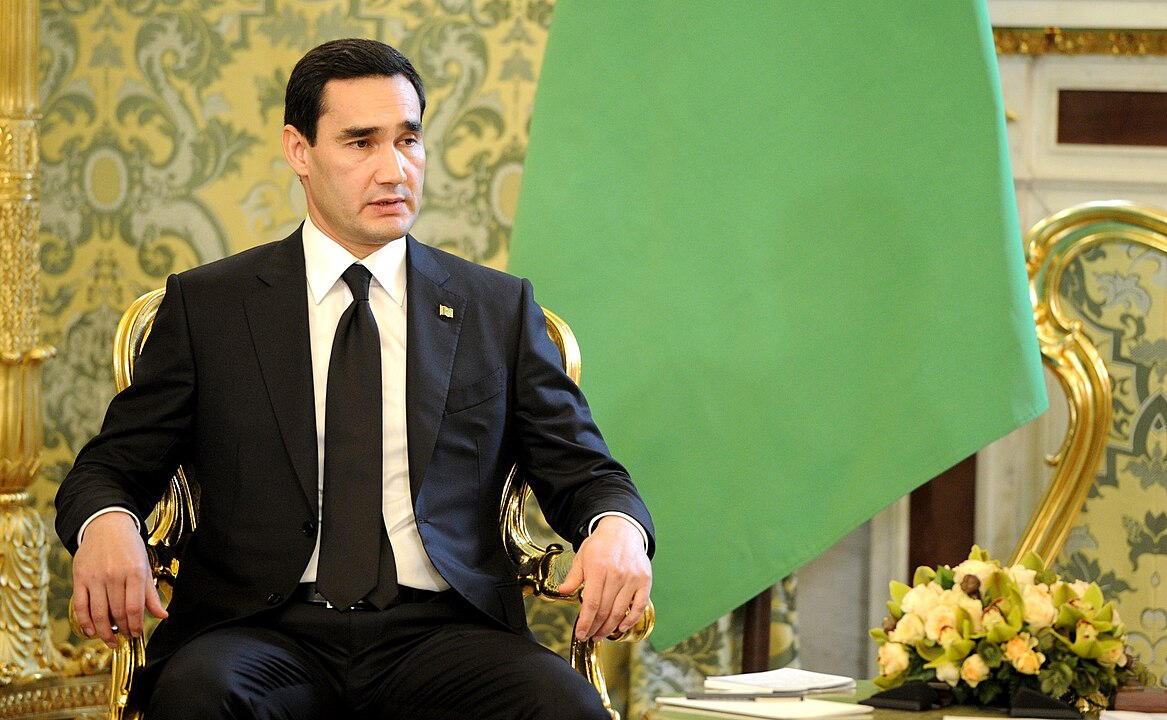
Turkmenistan itself is an interesting case. It’s a highly centralized, closed-off state with strict controls on the internet and daily life. The country sits on massive natural gas reserves and even has the famous “door to hell” crater that’s been burning for decades. At the same time, it has modern landmarks like white-marble buildings and the world’s largest indoor Ferris wheel. Seeing such a tightly controlled country step into crypto tells you how much the global landscape is changing.